We caught up with costume and fashion designer Noy Munis to discuss her gothic sensibilities, Frankenstein-inspired graduate collection, and her brand Munisa
Tel Aviv–based fashion and costume designer Noy Munis has never seen the world quite like everyone else. As a child, she discovered magic in overlooked corners — collecting scraps and trinkets from the streets to transform into jewellery, collages, and even makeshift tents. That same instinct to imagine, rebuild, and re-enchant reality defines her design language today.
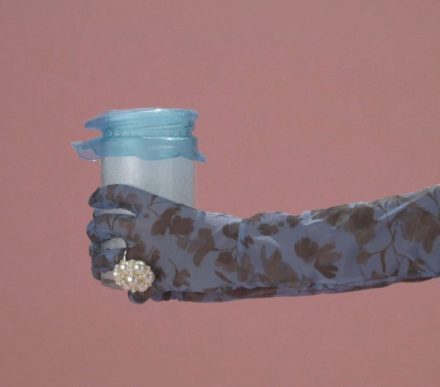
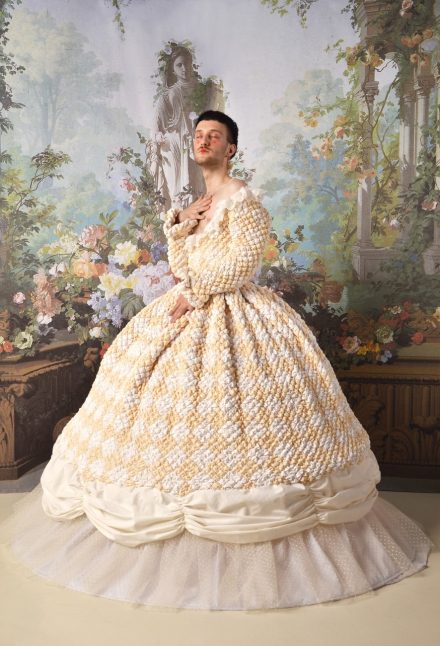
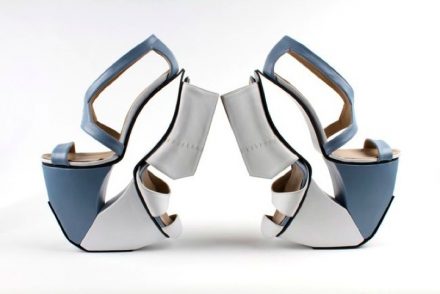
Her label, Munisa, blends surrealism, fantasy, and rebellion, challenging the boundaries between beauty, performance, and the grotesque. The brand’s most recent editorial shoot, Supernatural, explores the hidden spirit within us — the dark, chaotic, and unapologetic side we often keep buried. This texture-driven series features original faux leather, latex, and leather pieces from Munis’s graduate collection, Exceeding Expectations, alongside newly developed designs crafted exclusively for the shoot.
Keen to explore the creative universe behind Munisa, we spoke with the founder to discuss how she is redefining beauty through the unconventional, and her plans to relocate to London.


In our initial conversation, you told us that you’ve always had a wildly vivid imagination. Can you remember when you first began materialising your visions?
Absolutely. I’ve always lived slightly in my own world. When I was little, while other girls were dressing dolls, I was outside collecting odd objects — shiny pieces of metal, fragments of fabric, anything that caught my eye. I’d take them home and turn them into jewellery, collages, or strange little constructions. Once, I even built a tent and stayed in it for days (Munis laughs). That dreamlike way of seeing things has followed me into adulthood. It’s part of who I am — my creativity comes from that desire to recreate my own version of reality.
Whilst recreating your ‘own version of reality’ is artistically bold and commendable, it can make it difficult for audiences to connect with such deeply personal projections. What feelings do you hope your designs will evoke instead?
I want people to feel something powerful — maybe even uncomfortable. To question what beauty really means. My designs are an invitation to see beyond the ordinary, to enter another realm where darkness and fantasy coexist. Fashion, for me, is not about perfection; it’s about transformation — about turning fear, pain, and difference into something that shines.

You began your creative journey in photography before turning to fashion. How did that transition happen?
Photography was my first love. I started shooting when I was a teenager, and it opened my eyes to aesthetics, light, and the power of storytelling through image. Even during my compulsory military service in Israel, I managed to stay close to art. I was designated a military photographer, which gave me a lot of freedom to observe, document, and experiment visually.
After completing my service, I began photographing fashion, from street style and editorials to international fashion weeks. That experience provided me with a foundation in the visual side of the industry. The world of photography inspired me to create prints and collages in Photoshop. Later, I launched a small line of T-shirts, and to my surprise, several Israeli musicians began wearing them on stage. That was the moment I realised — I didn’t just want to capture fashion, I wanted to create it.
So that was the turning point when you decided to study fashion design?
Exactly. After working as an assistant stylist, I became curious about the process behind what I was photographing and styling. I wanted to understand how garments are conceived, constructed, and brought to life. I applied to several schools and, although I initially hoped to study abroad, I was accepted into Shenkar College of Engineering and Design in Tel Aviv.
That first year was, (Munis pauses), intense… Shenkar is quite traditional, and my designs didn’t always fit within their expectations. My ideas were often labelled as ‘controversial’. But that only reinforced my belief that I needed to follow my own aesthetic path. That persistence eventually led me to launch my own label, Munisa.


What is the concept behind this featured editorial, Supernatural?
The project began with the idea that our inner spirit isn’t always what it seems. Sometimes, living as a demon on this earth, creating your own reality is the only way to survive. So, I wanted to visualise how our inner demons might look if they took physical form.
The editorial captures that transformation — the tension between pain and liberation, the beauty in monstrosity. The styling embraces drama, distortion, and excess, with references to gothic theatre and cult cinema. It’s not horror for its own sake; it’s about confronting truth through fantasy. In Supernatural, I invite the viewer to meet their own inner creature and, perhaps, make peace with it.
This shoot showcases core items pulled and developed from your graduate collection, Exceeding Expectations. Could you tell us more about what you hoping to achieve with this collection?
Exceeding Expectations is an androgynous collection that explores the idea of the ‘other’ — those who don’t conform to accepted norms of beauty or behaviour. It’s my vision of a new kind of beauty: unconventional, powerful, and unashamed. Throughout history, society has ridiculed or excluded people who were different. In the nineteenth century, ‘freak shows’ paraded those born with physical deformities as objects of curiosity. I wanted to invert that power dynamic — to portray these figures not as spectacles of pity, but as icons of strength and individuality.
The collection draws inspiration from Frankenstein and The Elephant Man, reinterpreting their distorted bodies as forms of beauty. I used leather, printing distortions, and three-dimensional techniques to create deformed silhouettes that challenge conventional proportions. In a modern context, it also connects to themes of digital shaming and online bullying — today’s forms of othering. My goal was to transform discomfort into admiration.

Your designs are daring, theatrical, and full of fantasy. What inspires your creative world?
I’m endlessly fascinated by surrealism, fantasy, and what I like to call ‘beautiful strangeness’. I’m drawn to inhuman characters, distorted forms, and the thin line between attraction and discomfort. Salvador Dalí is a constant source of inspiration — not only for his dreamlike imagery, but for his eccentric personality and his fearless exploration of desire, absurdity, and spectacle.
Music also shapes my imagination. I’m inspired by punk, rock, metal, and new wave — movements that reject conformity. Marilyn Manson once represented that rebellious ideal for me, though I’ve had to reassess my view of him after learning about his violent behaviour. I now focus on the creative persona I once admired — his ability to invent, provoke, and remain utterly himself.
As for cinema, I love films that unsettle me. My favourites include Frankenstein (1931), Nosferatu (1922), Psycho (1960), and Suspiria (1977). I adore Tim Burton for his ability to invent entire worlds, and The Phantom of the Opera remains one of my great obsessions — the drama, the tragedy, the costumes! I live for that kind of emotion. Without drama, I think I’d simply die of boredom.
Your production process seems unconventional, almost instinctive. How do you go about mapping out a new collection?
My process is never linear. I don’t follow the traditional order of sketching, patterning, and cutting. I often begin by writing — words, ideas, moods. Then I research, make collages, or manipulate prints digitally. It’s a very intuitive, free-flowing process. I work a lot with leather and faux leather, experimenting with embossing and 3D techniques. I like to balance gloss with matte, smooth with textured.
For me, design is about emotion — about creating a world around the clothes, rather than just the garments themselves. When I imagine a collection, I see it as a theatrical experience: music, characters, choreography, atmosphere. The clothing is one part of a much larger story.


In addition to crafting collections for your label, you’ve created and tailored costumes for the stage. How has this work shaped your overall approach?
Theatre feels like home to me. I’ve always been drawn to its heightened emotion and visual storytelling. After graduating, I worked as a dressmaker for the theatre and later interned with a costume designer on the opera Don Giovanni. It was incredible — every costume was a world unto itself.
Since then, I’ve been creating custom-made pieces for performers — dancers, singers, and stage artists. One highlight was collaborating with Sita Abellán, the DJ and stylist. She challenged me with new colours and patterns, and that pushed me out of my comfort zone in the best possible way.
What projects are you currently working on?
Right now, I’m juggling a few exciting projects. I’m collaborating with 3D artists and a photographer on an ambitious editorial that blends digital art with fashion. I’m also designing costumes for musicians’ video clips — I love translating sound into visual identity. Alongside that, I’ve started repurposing leftover materials from past projects to create new one-off pieces, which I’m selling through my Depop store. Sustainability is important to me — I hate seeing materials go to waste.
I’m also developing my official website, which will showcase my designs and allow clients to customise prints, colours, and cuts. Every piece will be made to order and personal. The site should launch in the next few months. The final thing coming up is a big change — I’m preparing to move to London soon. It feels like the right city for the next chapter of Munisa: bold, eclectic, and alive with creative energy.

Credits
WORDS
Lucy Rowan
Fashion and
Art Direction
Munisa by Noy Munis
Photography
Itamar Asher
Model
Shahaf Kahlon
3D Artist
Gijeong Goo
PhotographY AsSIstance
Omer Ga’ash